
Safe Driving

Being Responsible and Informed About Driving

Behind the Wheel and Under the Influence: The Hidden Dangers of Drugged Driving

May 31st, 2025

Driving is a task that demands full attention, quick reflexes, and sound judgment. Yet every year, thousands of drivers get behind the wheel impaired—not just by alcohol, but by drugs as well. While public awareness campaigns have long warned about drunk driving, the dangers of drugged driving remain less understood and more difficult to detect. The rise in prescription drug use, the legalization of marijuana in many states, and the ongoing opioid crisis have made drug-impaired driving a growing and often overlooked threat to road safety.

Drugged driving refers to operating a motor vehicle while under the influence of legal or illegal substances that impair a person’s ability to drive safely. These substances include marijuana, opioids, sedatives, stimulants, and even some over-the-counter medications. Unlike alcohol, which has a well-established legal limit for impairment (0.08% blood alcohol concentration), drugs affect people differently and don’t have standardized thresholds, making them harder to regulate and enforce.

One of the most concerning aspects of drugged driving is that many individuals may not even realize they are impaired. For example, a person taking prescription painkillers or anti-anxiety medications may feel capable of driving but may be experiencing drowsiness, delayed reaction times, or diminished concentration—factors that can lead to accidents. Marijuana, in particular, can impair motor coordination and slow reaction time, even when the user feels alert. When drugs are combined—especially with alcohol—the impairment can be even more severe and unpredictable.

The consequences of drugged driving are far-reaching. According to the National Highway Traffic Safety Administration (NHTSA), in recent years, more than half of drivers killed in crashes who were tested had drugs in their system. Drug-impaired drivers are more likely to miss stop signs, drift into other lanes, or fail to notice hazards in time to avoid them. These mistakes can—and often do—lead to serious injuries or fatalities.

Law enforcement faces significant challenges in detecting and prosecuting drugged driving. Standard breathalyzers don’t detect drugs, and roadside tests for drug impairment are still evolving. Many officers rely on drug recognition experts (DREs) to identify signs of impairment, but these experts are not always available. As a result, many drug-impaired drivers go undetected until after an accident occurs.

Preventing drugged driving starts with awareness and responsibility. Individuals must understand how the substances they take—prescription or otherwise—can affect their ability to drive. Healthcare providers and pharmacists should counsel patients on the risks, especially when medications can impair alertness or coordination. Communities, schools, and public safety campaigns must work to educate people about the dangers of driving under the influence of any impairing substance, not just alcohol.

Ultimately, keeping roads safe means recognizing that impairment comes in many forms. Drugged driving is not just a legal issue; it’s a public health concern that demands education, enforcement, and empathy. Only by acknowledging and addressing these hidden dangers can we reduce accidents, save lives, and create safer roads for everyone.

Seatbelts are one of the most essential safety features in any vehicle. Despite their simplicity, they play a crucial role in protecting occupants during a crash. The science behind seatbelts demonstrates why they are so effective and why wearing them should be a non-negotiable habit for every driver and passenger. Understanding how seatbelts work and the physics behind their life-saving capabilities can help reinforce their importance.

How Seatbelts Work

Seatbelts are designed to secure occupants in their seats and distribute the forces of a collision across the strongest parts of the body—typically the chest, pelvis, and shoulders. In the event of a sudden stop or crash, a seatbelt restrains the body and prevents it from being thrown forward or ejected from the vehicle.

Modern seatbelt systems typically include a three-point harness that spans across the chest and lap. This design helps reduce the risk of injury by spreading impact forces more evenly, rather than concentrating them in one area. The belts are also equipped with retractors and locking mechanisms that tighten during a crash, holding occupants firmly in place.

The Physics Behind Seatbelts

In a moving vehicle, everything inside is traveling at the same speed as the car. If the car suddenly stops due to a collision, any unrestrained objects or people will continue moving at that same speed until they are stopped by another force—often the dashboard, windshield, or pavement.

This is where seatbelts come in. They apply the necessary counterforce to slow the body’s motion more gradually, reducing the severity of impact. By preventing the body from colliding with hard surfaces or being ejected, seatbelts drastically decrease the likelihood of serious injuries or fatalities.

Life-Saving Statistics

According to the National Highway Traffic Safety Administration (NHTSA), seatbelts reduce the risk of death for front-seat occupants by about 45% and the risk of moderate to critical injury by 50%. In 2020 alone, seatbelts saved an estimated 14,955 lives in the United States.

Unfortunately, many fatalities in car crashes involve individuals who were not wearing seatbelts. These tragedies are often preventable, highlighting the critical importance of buckling up every time, no matter how short the trip.

Common Myths Debunked

Some people believe that seatbelts can trap them in a car during an emergency, but data shows that being restrained significantly increases the chances of survival. Others think airbags alone are sufficient protection, but airbags are designed to work in tandem with seatbelts—not as a replacement.

Another misconception is that seatbelts are unnecessary on short trips or at low speeds. However, most car crashes occur close to home and at relatively low speeds, where seatbelts still provide vital protection.

Conclusion

The science of seatbelts is rooted in basic physics and proven through decades of research and crash data. They are simple devices with a profound impact on road safety. Wearing a seatbelt takes just seconds, but it can make the difference between life and death in a crash. Buckle up—every trip, every time.
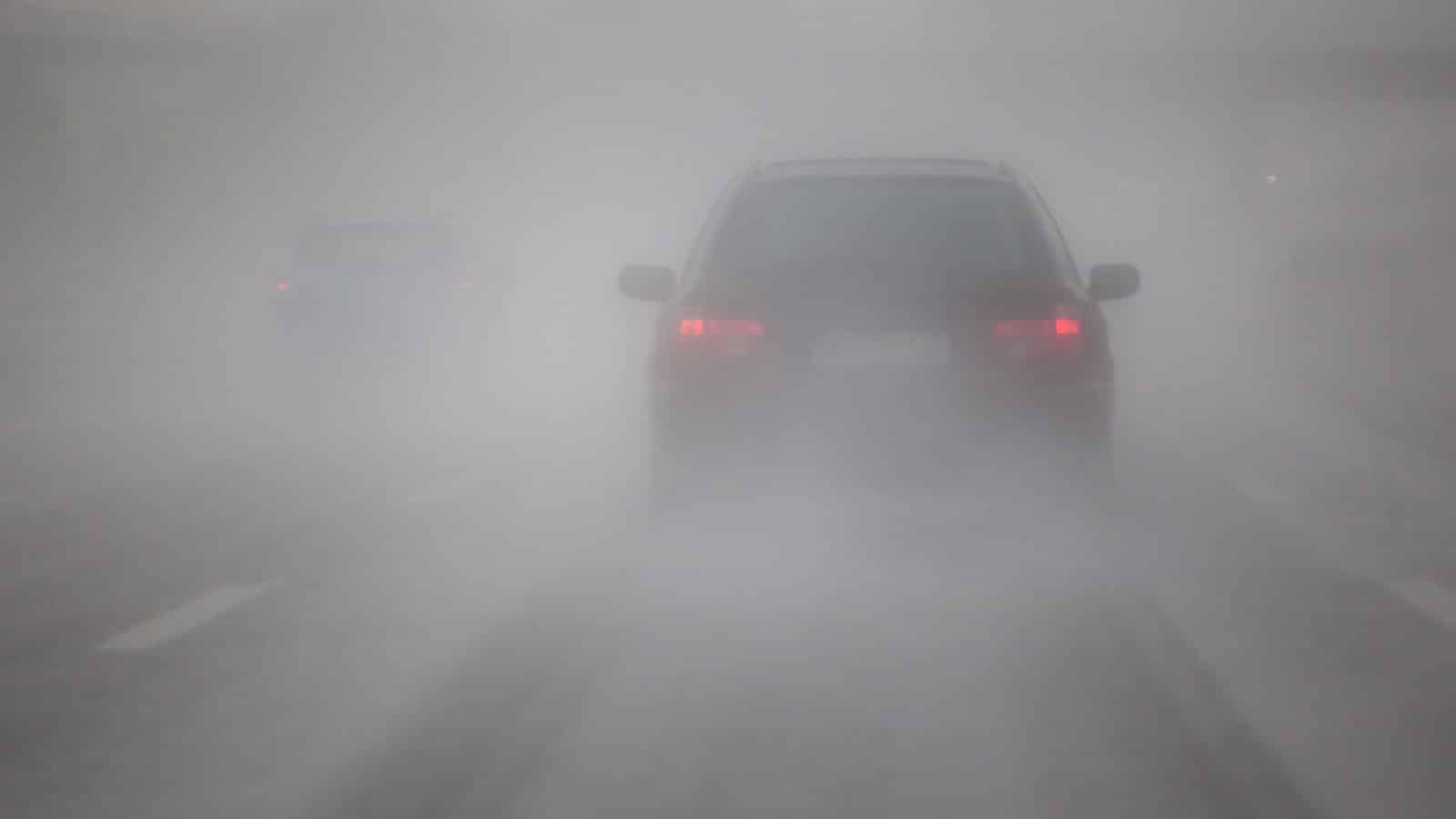
Weathering the Storm: Safe Driving Tips for Rain, Snow, and Fog

May 13th, 2025

Driving in bad weather can be one of the most stressful and dangerous aspects of being on the road. Rain, snow, and fog all present unique challenges that can compromise visibility, traction, and control. Whether you’re a seasoned driver or a novice, understanding how to adapt your driving to various weather conditions is essential for staying safe. Here are key tips for handling rain, snow, and fog safely.

Driving in Rain

Rain is one of the most common weather conditions that affect driving. Even a light drizzle can reduce visibility and make the roads slippery.

  • Slow Down: Wet roads can cause your tires to lose traction, especially at higher speeds. Reduce your speed and increase your following distance.
  • Use Headlights: Turn on your headlights to improve visibility and ensure other drivers can see you.
  • Avoid Standing Water: Driving through puddles can lead to hydroplaning or engine damage. If you can’t avoid a large puddle, drive through it slowly.
  • Check Wipers and Tires: Make sure your windshield wipers are in good condition and your tires have adequate tread to handle wet conditions.

Driving in Snow

Snow and ice can significantly reduce traction and make stopping distances much longer. When driving in snowy conditions, extra caution is necessary.

  • Drive Slowly and Smoothly: Sudden movements can lead to skidding. Accelerate, brake, and turn gradually.
  • Increase Following Distance: Leave plenty of space between you and the vehicle ahead to allow for safe stopping.
  • Use Snow Tires or Chains: In areas prone to heavy snowfall, snow tires or chains can greatly improve grip.
  • Clear Snow and Ice: Before driving, clear all snow and ice from your windows, mirrors, lights, and roof.
  • Avoid Cruise Control: Cruise control can be dangerous on slippery roads, as it may reduce your ability to react quickly.

Driving in Fog

Fog can dramatically reduce visibility, making it difficult to see other vehicles, road signs, and obstacles.

  • Use Low Beams: High beams can reflect off the fog and reduce visibility even more. Use low beams or fog lights.
  • Reduce Speed: Drive at a speed that allows you to stop safely within the distance you can see ahead.
  • Increase Following Distance: Just like with rain and snow, extra distance gives you more time to react.
  • Avoid Sudden Stops: Brake gently to avoid being rear-ended, and signal early when turning or changing lanes.
  • Use Road Markings: Follow the painted road lines to stay in your lane and avoid drifting.

Conclusion

Driving in adverse weather conditions requires patience, caution, and preparedness. By adjusting your speed, increasing your following distance, and ensuring your vehicle is equipped for the conditions, you can greatly reduce your risk of accidents. Always stay informed about the weather before heading out, and if conditions are too severe, consider postponing your trip. Your safety and that of others on the road depend on smart, responsible driving—even when the weather doesn’t cooperate.

Teen Drivers & Safety: What Every Parent Needs to Know

May 1st, 2025

Learning to drive is a major milestone for teenagers, but it also introduces serious safety risks. Car crashes are one of the leading causes of death among teens, largely due to inexperience, distractions, and risky behaviors. As a parent, your involvement plays a crucial role in helping your teen become a safe and responsible driver. Here’s what every parent should know to guide their teen toward safe driving habits.

1. Set Clear Expectations Early

Before your teen gets behind the wheel, it’s important to establish ground rules. Discuss the importance of safe driving and your expectations around behavior, such as no texting while driving, obeying speed limits, and never driving under the influence. Setting clear rules and consequences helps reinforce responsible behavior.

2. Be a Role Model

Teens often emulate the behavior of their parents. If you regularly speed, use your phone, or drive aggressively, your teen is more likely to do the same. Demonstrate safe driving practices every time you’re behind the wheel to set a strong example.

3. Practice Together Often

The more supervised driving practice your teen gets, the more confident and skilled they’ll become. Aim to provide practice in various conditions—nighttime driving, bad weather, highways, and heavy traffic. This helps teens gain experience handling real-world driving challenges.

4. Enforce a Zero-Tolerance Policy on Alcohol and Drugs

Make it absolutely clear that driving under the influence is never acceptable. Even small amounts of alcohol or certain medications can impair judgment and reaction times. Encourage your teen to call you or use a ride service if they ever feel unsafe to drive.

5. Limit Nighttime Driving and Passengers

Studies show that teen drivers are more likely to be involved in crashes at night and when carrying passengers. Limit driving after dark and restrict the number of passengers your teen can have in the car, especially during the first year of driving.

6. Emphasize the Dangers of Distracted Driving

Distracted driving, especially due to texting, is a leading cause of teen crashes. Talk openly about the risks and encourage your teen to put their phone away while driving. Some parents install apps or use settings that limit phone use while driving.

7. Use a Parent-Teen Driving Agreement

A written agreement outlining the rules, privileges, and responsibilities of driving can help make expectations clear. Review and update the agreement regularly based on your teen’s progress and behavior.

8. Monitor Their Driving Habits

Telematics devices or smartphone apps can track driving behavior, such as speed, braking, and phone usage. These tools can provide feedback and open the door for constructive conversations about safe driving.

9. Choose a Safe Vehicle

When selecting a vehicle for your teen, prioritize safety features over style. Look for cars with high safety ratings, good crash-test performance, and features like anti-lock brakes, electronic stability control, and airbags.

Conclusion

Helping your teen become a safe driver requires active involvement, consistent guidance, and open communication. By setting a good example, enforcing rules, and encouraging safe habits, you can greatly reduce the risks your teen faces on the road—and give yourself greater peace of mind.