Safe Driving

Being Responsible and Informed About Driving

The Cost of One Ride: Legal and Personal Consequences of Driving Under the Influence

July 20th, 2025

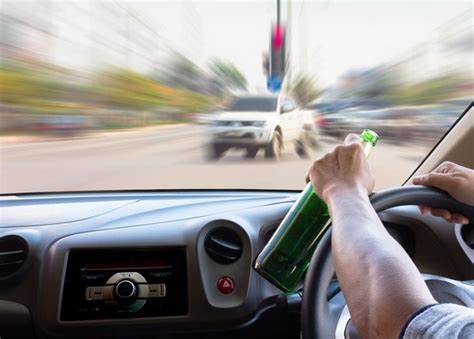
Driving under the influence (DUI) of alcohol or drugs is one of the most reckless decisions a person can make. What might seem like a short or harmless trip home can quickly turn into a life-changing event. The consequences of a DUI go far beyond fines and court appearances—they impact nearly every area of life, from finances to family relationships, careers, and personal health. One ride under the influence can cost far more than most people realize.

Legal Consequences

The legal system treats DUI offenses seriously because of the danger they pose to public safety. Penalties vary depending on the jurisdiction and whether it’s a first-time or repeat offense, but they are always severe. A typical first-time DUI can result in hefty fines, court costs, and the suspension or revocation of a driver’s license. In some cases, the offender may be required to install an ignition interlock device—a breathalyzer attached to the vehicle that prevents it from starting if alcohol is detected.

Jail time is also a possibility, especially if the DUI resulted in an accident, injury, or death. Repeat offenders face longer jail sentences, mandatory rehabilitation programs, and the possibility of felony charges. In addition, a DUI conviction creates a permanent criminal record, which can follow a person for the rest of their life.

Financial Impact

The financial costs of a DUI are staggering. According to estimates from various traffic safety organizations, the total expense of a first-offense DUI can easily reach $10,000 or more. This includes fines, attorney fees, court costs, higher insurance premiums, vehicle towing and impound fees, and expenses for mandatory treatment programs. For many, the economic fallout doesn’t stop there—some individuals lose their jobs, especially if they hold positions that require driving or a clean criminal record.

Personal and Emotional Consequences

Beyond the legal and financial penalties, there are personal consequences that often cause lasting damage. A DUI arrest can create shame, guilt, and a sense of failure. Relationships with family and friends may become strained, particularly if the incident led to injury or loss of life. For those who cause accidents while under the influence, the emotional burden can include lifelong regret and trauma.

A DUI conviction can also derail educational and professional plans. Some colleges and employers conduct background checks and may deny opportunities to those with criminal records. Certain professional licenses—such as for healthcare providers, educators, or commercial drivers—may be revoked or suspended.

Preventable Tragedy

Every DUI incident is preventable. With the availability of rideshare services, taxis, designated drivers, and public transportation, there is never a valid reason to drive impaired. Making the right choice not only protects your life but also safeguards the lives of others on the road.

The cost of one ride under the influence isn’t just measured in dollars or court dates—it’s counted in lost trust, damaged reputations, shattered families, and sometimes, irreversible tragedy. Choosing to drive sober is the simplest way to avoid paying this devastating price.
Impaired Judgment: How Alcohol and Drugs Compromise Driving Skills

July 8th, 2025

Driving is a complex task that relies heavily on clear thinking, quick reactions, and good decision-making. When alcohol or drugs enter the equation, these essential abilities can quickly deteriorate, turning an otherwise competent driver into a serious threat on the road. Impaired judgment is one of the most dangerous consequences of substance use behind the wheel—and it’s often underestimated.

Judgment is the mental process that allows drivers to assess risk, interpret road conditions, and make safe decisions in real time. Alcohol and many drugs alter brain chemistry, slowing this process and affecting areas responsible for reasoning, focus, and impulse control. A driver who has been drinking or using drugs may misjudge speed, fail to notice stop signs, or overestimate their ability to react to sudden changes on the road.

Alcohol is one of the most well-documented impairing substances. Even small amounts can affect judgment. At a blood alcohol concentration (BAC) of just 0.02%, drivers may already experience reduced visual functions and difficulty performing two tasks at once. By the legal limit of 0.08%, most individuals show clear signs of impaired coordination, reduced information processing, and delayed reaction time—all factors that increase the risk of a crash.

Drugs—whether legal, illegal, or over-the-counter—can also have significant effects on driving. Marijuana, for example, alters perception, slows reflexes, and affects spatial awareness. Opioids may cause drowsiness and reduced attention. Stimulants like cocaine or methamphetamine can lead to reckless driving behaviors due to overconfidence and aggression. Even seemingly harmless medications like antihistamines or sleep aids can cause fatigue and mental fog.

One of the biggest risks with impaired judgment is the driver’s inability to recognize their own limitations. Someone under the influence may feel confident and capable, unaware that their cognitive and motor skills are significantly compromised. This false sense of control often leads to dangerous choices—like speeding, tailgating, or attempting risky maneuvers—that sober drivers would likely avoid.

The statistics are sobering. According to the National Highway Traffic Safety Administration (NHTSA), every day about 37 people in the United States die in drunk-driving crashes—that’s one person every 39 minutes. Additionally, drug-impaired driving is becoming more common, particularly in crashes involving multiple substances. The combination of drugs and alcohol significantly amplifies impairment and risk.

Preventing impaired driving requires both personal accountability and public awareness. It starts with recognizing that “just one drink” or “a small dose” can still impair judgment enough to put lives at risk. Friends and family should intervene when someone attempts to drive under the influence, and communities should support education, enforcement, and accessible transportation alternatives.

In the end, driving is a privilege that demands full mental and physical presence. Alcohol and drugs strip away that clarity, replacing sound judgment with dangerous decisions. By understanding how impairment works and choosing not to drive under the influence, we can all contribute to safer roads and fewer tragedies.