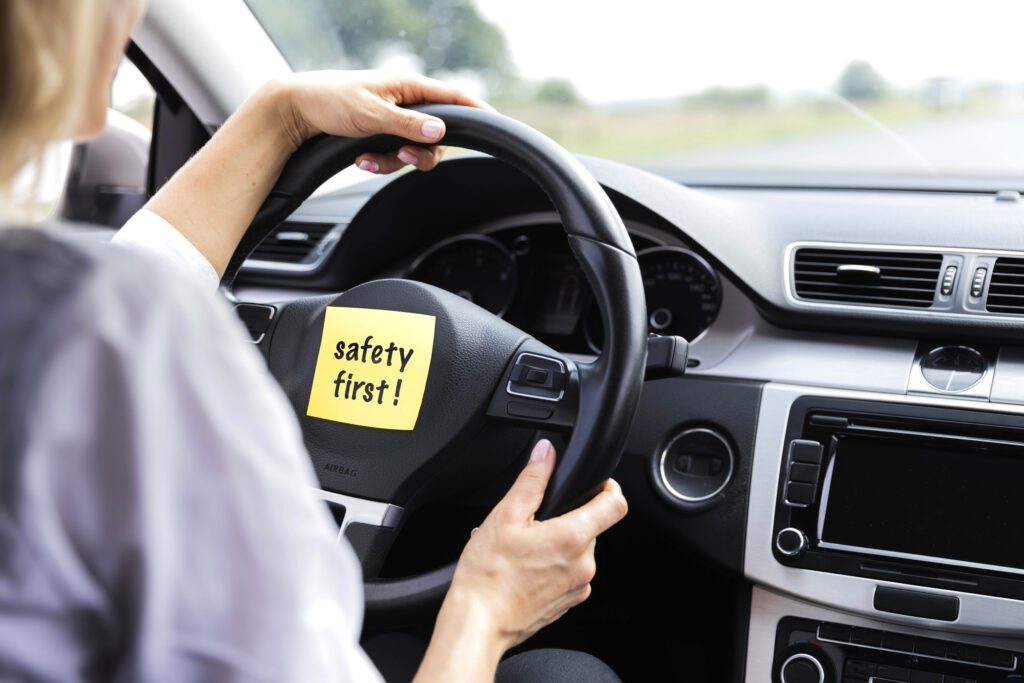
Safe Driving

Being Responsible and Informed About Driving

Clear Mind, Safe Roads: Practical Driving Tips for Individuals Focused on Recovery and Stability

May 28th, 2026

Recovery is a process that reshapes how people think, feel, and respond to everyday situations. One of the clearest ways this growth shows up is in driving. Getting behind the wheel requires focus, emotional balance, and responsible decision-making, all of which are core skills developed through addiction recovery and mental health treatment. When the mind is clear, the road becomes not only safer but also a place to practice stability, awareness, and personal responsibility.

At Atlantic Toyota Scion, we understand that recovery is a continuous journey. Through addiction recovery services, mental health treatment, inpatient and outpatient care, and holistic faith-based individualized support, we help individuals build lasting wellness. Safe driving is one of many daily practices that supports this process by turning recovery principles into real-life actions.

Why a Clear Mind Matters for Safe Driving

Driving is not just a physical activity. It is a mental and emotional one. A clear mind improves reaction time, reduces stress, and enhances decision-making. For individuals focused on recovery, maintaining clarity is essential for both safety and long-term stability.

A clear mind helps drivers:

  • Stay focused on the road and surroundings
  • Respond calmly to unexpected situations
  • Avoid distractions and impulsive decisions
  • Maintain emotional balance under pressure

Each time you choose to drive with awareness, you strengthen the habits that support recovery.

The Link Between Recovery and Driving Stability

Recovery teaches individuals how to manage emotions, recognize triggers, and make intentional choices. These same skills are directly connected to safe driving. Stability in recovery often translates into stability behind the wheel.

Emotional Regulation While Driving

Traffic, delays, and unpredictable drivers can trigger frustration or anxiety. In recovery, these moments are opportunities to practice emotional regulation. Instead of reacting impulsively, drivers can pause, breathe, and refocus on the present moment.

Mental Focus and Awareness

A clear mind improves attention and reduces the risk of accidents. Fatigue, stress, or emotional overload can affect concentration. Recognizing when your focus is compromised is an important part of responsible driving.

Physical Readiness and Energy Levels

Sleep, nutrition, and medication can all influence driving ability. Checking in with your physical state before driving helps ensure you are alert and capable of responding safely to road conditions.

Practical Driving Tips for Recovery and Stability

Building safe driving habits requires consistency and intention. These practical strategies support both recovery and road safety.

1. Start With a Mental Check-In

Before driving, take a moment to assess how you feel mentally and emotionally. If you are distracted or overwhelmed, it may be safer to delay your trip.

2. Remove All Distractions

Put your phone away, set navigation ahead of time, and avoid multitasking. Full attention should always be on driving.

3. Practice Defensive Driving

Stay aware of other drivers, maintain safe distances, and anticipate changes in traffic. Defensive driving reduces stress and increases safety.

4. Plan Your Route Ahead of Time

Knowing your route helps reduce anxiety and prevents last-minute decisions. Allow extra time so you are not rushed.

5. Use Breathing Techniques for Calm Focus

If stress arises, focus on slow and steady breathing. This helps regulate emotions and maintain concentration.

6. Take Breaks When Needed

For longer trips, stop periodically to rest and reset. Fatigue can impact both recovery stability and driving safety.

How Safe Driving Supports Holistic Recovery

At Atlantic Toyota Scion, we believe recovery is holistic, involving the mind, body, and spirit. Safe driving aligns with this approach by encouraging mindfulness, responsibility, and emotional awareness in daily life.

When individuals practice safe driving habits, they strengthen:

  • Emotional balance and self control
  • Cognitive clarity and focus
  • Confidence in independent living
  • Consistent, healthy routines

These habits extend beyond driving and contribute to long-term recovery success.

Conclusion: Clarity Creates Confidence on the Road

A clear mind leads to safer roads and stronger decision-making. For individuals in recovery, safe driving is more than a daily task. It is a reflection of progress, discipline, and personal growth. Each responsible choice behind the wheel reinforces stability and supports long-term wellness.

If you or a loved one is seeking support through addiction recovery services, mental health treatment, or holistic care, Atlantic Toyota Scion is here to help. Our compassionate team provides individualized care designed to support healing, stability, and lasting recovery.

Reach out today to take the next step toward a safer, clearer, and more confident future.

Responsible Driving in Everyday Life: How Awareness on the Road Reflects Personal Growth in Recovery

May 23rd, 2026

Recovery is often measured by major milestones, but true healing is also reflected in everyday decisions. One of the clearest examples of this can be seen behind the wheel. Responsible driving requires patience, focus, emotional regulation, and awareness, all of which are essential skills for maintaining long term recovery and mental wellness. For individuals rebuilding their lives after addiction or mental health struggles, safe driving becomes more than a transportation habit. It becomes a reflection of personal growth and renewed responsibility.

At Atlantic Toyota Scion, we understand that recovery extends far beyond treatment sessions. Through addiction recovery services, mental health treatment, inpatient and outpatient care, and holistic faith-based support, individuals are encouraged to build healthy habits that strengthen long term wellness. Responsible driving is one practical way to apply those recovery principles in daily life.

The Connection Between Driving and Recovery

Driving places individuals in situations that require quick thinking, emotional control, and responsible decision-making. These same abilities are strengthened during addiction recovery and mental health treatment.

When individuals practice safe and responsible driving, they reinforce important recovery skills such as:

  • Emotional awareness and self regulation
  • Patience during stressful situations
  • Accountability for personal choices
  • Mindfulness and present moment focus

Each responsible decision on the road becomes another step forward in personal growth.

How Awareness on the Road Reflects Healing

Recovery is built on awareness. Individuals learn to recognize triggers, understand emotional patterns, and respond thoughtfully rather than impulsively. These same principles apply directly to driving.

Emotional Control During Stressful Situations

Heavy traffic, aggressive drivers, and unexpected delays can create frustration or anxiety. For someone in recovery, these moments are opportunities to practice calm responses instead of reactive behavior.

Simple techniques such as controlled breathing, listening to calming audio, or allowing extra travel time can make stressful driving situations more manageable.

Improved Decision Making

Safe driving requires constant decision-making. Choosing safe speeds, maintaining distance from other vehicles, and avoiding distractions are all examples of responsible choices that reflect mental clarity and self awareness.

As recovery progresses, many individuals notice they are better able to slow down, think clearly, and make healthier decisions in all areas of life.

Respect for Personal and Public Safety

Recovery often brings a renewed appreciation for personal well-being and the well-being of others. Responsible driving reflects that respect by prioritizing safety, awareness, and accountability on the road.

Practical Strategies for Responsible Driving in Recovery

Healthy driving habits support both safety and emotional wellness. These practical strategies can help individuals stay focused and confident while driving.

1. Assess Your Mental and Emotional State

Before driving, take a moment to check in with yourself. If you feel emotionally overwhelmed, exhausted, or distracted, consider waiting until you feel more focused.

2. Avoid Driving While Stressed or Fatigued

Fatigue and stress can affect concentration and reaction time. Prioritizing rest and stress management supports both recovery and driving safety.

3. Eliminate Distractions

Keep your phone out of reach, set navigation before leaving, and avoid multitasking while driving. Focused attention improves reaction time and reduces unnecessary risk.

4. Practice Defensive Driving

Responsible drivers stay aware of their surroundings and anticipate the actions of others. Maintaining safe following distances and staying alert can prevent accidents and reduce stress.

5. Create Calm Driving Routines

Listening to calming music, planning routes ahead of time, and allowing extra travel time can create a more peaceful driving experience.

6. Stay Connected to Support Systems

Recovery is strengthened through support and accountability. Talking with trusted friends, family members, or counselors about daily challenges can help reinforce healthy habits and emotional balance.

How Holistic Recovery Encourages Responsible Living

At Atlantic Toyota Scion, we believe healing involves the mind, body, and spirit. Recovery is not only about avoiding substances or managing symptoms. It is about creating a healthier, more intentional life.

Responsible driving aligns with this holistic approach by encouraging:

  • Mindfulness and emotional balance
  • Consistency and personal discipline
  • Confidence in daily responsibilities
  • Greater independence and self trust

Every positive choice reinforces the progress made through treatment, counseling, and ongoing support.

Conclusion: Safe Choices Reflect a Stronger Future

Responsible driving in everyday life is more than a safety habit. It is a reflection of awareness, maturity, and personal growth in recovery. Each time you choose patience over frustration, focus over distraction, and responsibility over impulse, you strengthen the foundation of your healing journey.

If you or a loved one is looking for compassionate support through addiction recovery services, mental health treatment, or holistic care, Atlantic Toyota Scion is here to help. Our client-centered team provides individualized treatment designed to support long term healing and wellness.

Reach out today and take the next step toward a healthier, safer, and more empowered future.

Staying Informed, Staying Safe: Essential Driving Habits That Support Wellness and Recovery

May 18th, 2026

Recovery is not a single moment of change. It is an ongoing process shaped by daily decisions, habits, and awareness. One of the most overlooked areas where recovery skills show up is driving. Staying informed and practicing safe driving habits can directly support emotional stability, mental clarity, and long term wellness. For individuals in addiction recovery and mental health treatment, the road becomes another place to practice responsibility, focus, and self-awareness.

At Atlantic Toyota Scion, we understand that recovery extends into everyday life. Through addiction recovery services, mental health treatment, inpatient and outpatient care, and holistic faith-based individualized support, we help individuals build sustainable wellness. Safe driving is one practical way to carry those recovery principles into real-world situations.

Why Staying Informed Matters for Safe Driving

Being informed is more than knowing traffic laws. It is about understanding your own mental and emotional state, staying aware of road conditions, and making responsible choices before and during every drive. In recovery, this level of awareness plays a key role in preventing stress-driven or impulsive decisions.

Staying informed helps support recovery by:

  • Improving focus and decision-making
  • Reducing stress in unpredictable situations
  • Encouraging accountability and responsibility
  • Supporting emotional regulation while driving

When you are informed, you are better prepared to respond calmly and safely to whatever happens on the road.

The Connection Between Driving and Recovery Wellness

Driving requires attention, patience, and the ability to manage emotions under pressure. These are the same skills strengthened through recovery programs. When practiced consistently, safe driving becomes an extension of emotional growth and mental stability.

Emotional Awareness While Driving

Traffic delays, sudden stops, or aggressive drivers can trigger frustration or anxiety. In recovery, these moments become opportunities to practice emotional control. Techniques like deep breathing, grounding, or pausing before reacting can help maintain calm and safety.

Mental Clarity and Focus

Recovery often improves clarity over time, but distractions can still affect attention. Fatigue, stress, or overstimulation can reduce reaction time. Checking in with yourself before driving is an important habit that supports both safety and wellness.

Physical Readiness and Energy Levels

Sleep quality, medication, and daily stress can all influence alertness. Recognizing when your body is not ready to drive is a key part of responsible decision-making. Choosing rest over driving when needed is a healthy recovery practice.

Essential Driving Habits That Support Wellness and Recovery

Building safe driving habits takes intention and consistency. These practical strategies can help support both recovery and everyday safety.

1. Start With a Self Check

Before driving, pause and assess your emotional and physical state. Ask yourself if you are calm, focused, and alert. This simple step builds awareness and prevents risky decisions.

2. Stay Updated and Informed

Check weather conditions, traffic updates, and road closures before leaving. Being informed helps reduce stress and allows for better planning.

3. Remove Distractions Completely

Put your phone on silent or do not disturb mode. Set navigation before starting the car. Avoid eating or multitasking while driving so your attention stays fully on the road.

4. Practice Defensive Driving

Maintain safe distances, obey speed limits, and anticipate the actions of other drivers. Defensive driving encourages patience and reduces reactive behavior.

5. Plan Ahead to Reduce Stress

Give yourself extra travel time whenever possible. Rushing increases anxiety and reduces focus, which can compromise safety.

6. Use Mindfulness Techniques

Stay present by focusing on your breathing and surroundings. Mindful driving helps regulate emotions and keeps your attention steady.

How Safe Driving Supports Holistic Recovery

At Atlantic Toyota Scion, we believe recovery is holistic, involving mind, body, and spirit. Safe driving fits naturally into this approach by turning everyday actions into opportunities for mindfulness and responsibility.

When individuals practice informed and safe driving habits, they strengthen:

  • Emotional stability and self-control
  • Cognitive awareness and focus
  • Confidence in independent living
  • Long-term recovery resilience

These habits reinforce the lessons learned in therapy, counseling, and structured treatment programs.

Conclusion: Awareness Creates Safety and Strength

Staying informed and practicing safe driving habits is more than a daily responsibility. It is a reflection of your commitment to wellness, growth, and recovery. Each time you choose awareness over distraction and responsibility over impulse, you strengthen the foundation of your healing journey.

If you or a loved one is seeking support through addiction recovery services, mental health treatment, or holistic care, Atlantic Toyota Scion is here to help. Our compassionate, client-centered team provides individualized care designed to support lasting recovery and overall well-being.

Reach out today to take the next step toward a safer, healthier, and more empowered future.

Safe Driving After Recovery: Building Awareness and Responsibility Behind the Wheel

May 11th, 2026

Recovery is a life-changing journey that reshapes how individuals think, feel, and make decisions. It does not end when treatment is complete. Instead, it continues in everyday actions, including something as routine as driving. For individuals in addiction recovery and mental health treatment, safe driving becomes a meaningful practice of awareness, responsibility, and self-discipline. Every time you get behind the wheel, you are given an opportunity to reinforce the progress you have made in healing and personal growth.

At Atlantic Toyota Scion, we are committed to supporting individuals through compassionate addiction recovery services, mental health treatment, inpatient and outpatient care, and holistic, faith-based, individualized approaches. We understand that recovery extends into daily life, and safe driving is one of the many ways people can apply recovery skills in real-world situations.

Why Safe Driving Matters in Recovery

Driving requires focus, quick decision-making, and emotional regulation. These are the same skills strengthened throughout recovery. However, the transition back into daily responsibilities can come with challenges. Stress, fatigue, or emotional triggers may still arise, making awareness behind the wheel even more important.

Safe driving supports recovery by:

  • Reinforcing accountability and self-control
  • Strengthening focus and emotional regulation
  • Reducing risk during stressful or unexpected situations
  • Encouraging mindful decision-making in everyday life

Each safe driving choice reflects the stability and growth built through recovery.

The Connection Between Awareness and Responsibility

Awareness is the foundation of safe driving. It involves understanding your emotional and physical state, recognizing external conditions, and making responsible choices in real time. Responsibility means acting on that awareness in a way that protects both yourself and others.

Emotional Awareness on the Road

Traffic delays, aggressive drivers, or unexpected changes can trigger emotional responses. In recovery, these moments are opportunities to practice patience and grounding techniques. Deep breathing, pausing before reacting, and focusing on the present moment can help maintain calm and control.

Physical and Mental Readiness

Fatigue, stress, or medication effects can influence reaction time and focus. Checking in with yourself before driving is an important habit. If you feel distracted or exhausted, choosing not to drive is a responsible and protective decision.

Medication and Treatment Considerations

Some medications used in mental health or addiction recovery treatment may affect alertness or coordination. It is important to speak with healthcare providers about how medications may impact driving ability and adjust routines when needed.

Practical Tips for Safe Driving After Recovery

Building safe driving habits is an ongoing process. These practical strategies help reinforce awareness and responsibility on the road.

1. Perform a Pre Drive Check In

Before starting your car, take a moment to assess your mental, emotional, and physical state. This simple pause encourages mindfulness and prevents impulsive decisions.

2. Eliminate All Distractions

Put your phone away, set navigation ahead of time, and avoid multitasking. Focused attention significantly reduces risk and improves reaction time.

3. Practice Defensive Driving

Maintain safe distances, follow speed limits, and anticipate the actions of other drivers. Defensive driving supports calm, proactive decision-making.

4. Plan Your Route in Advance

Knowing where you are going reduces stress and allows for smoother travel. Give yourself extra time to avoid rushing.

5. Use Grounding Techniques While Driving

If stress arises, focus on your breathing or the physical sensation of driving. Grounding techniques help maintain emotional stability and focus.

6. Take Breaks on Long Trips

If you are driving for extended periods, schedule breaks to rest, stretch, and reset your attention. Fatigue management is essential for safety.

How Safe Driving Supports Holistic Recovery

At Atlantic Toyota Scion, we believe recovery is a holistic process that involves the mind, body, and spirit. Safe driving aligns with this philosophy by transforming everyday actions into opportunities for mindfulness and growth.

When individuals practice responsible driving, they strengthen:

  • Emotional regulation and patience
  • Cognitive focus and awareness
  • Personal accountability and structure
  • Confidence in independent living

These habits reinforce the skills learned in therapy, counseling, and support programs, helping individuals maintain long-term stability.

Conclusion: Every Drive Is a Step Forward in Recovery

Safe driving after recovery is more than a practical responsibility. It is a reflection of your commitment to growth, awareness, and long-term wellness. Each mindful decision behind the wheel strengthens the foundation you have built through recovery and supports a healthier future.

If you or someone you love is seeking support through addiction recovery services, mental health treatment, or holistic care, Atlantic Toyota Scion is here to help. Our compassionate, client-centered team provides individualized care designed to support healing, stability, and lasting change.

Reach out today to take the next step toward a safer, more confident, and more empowered life.