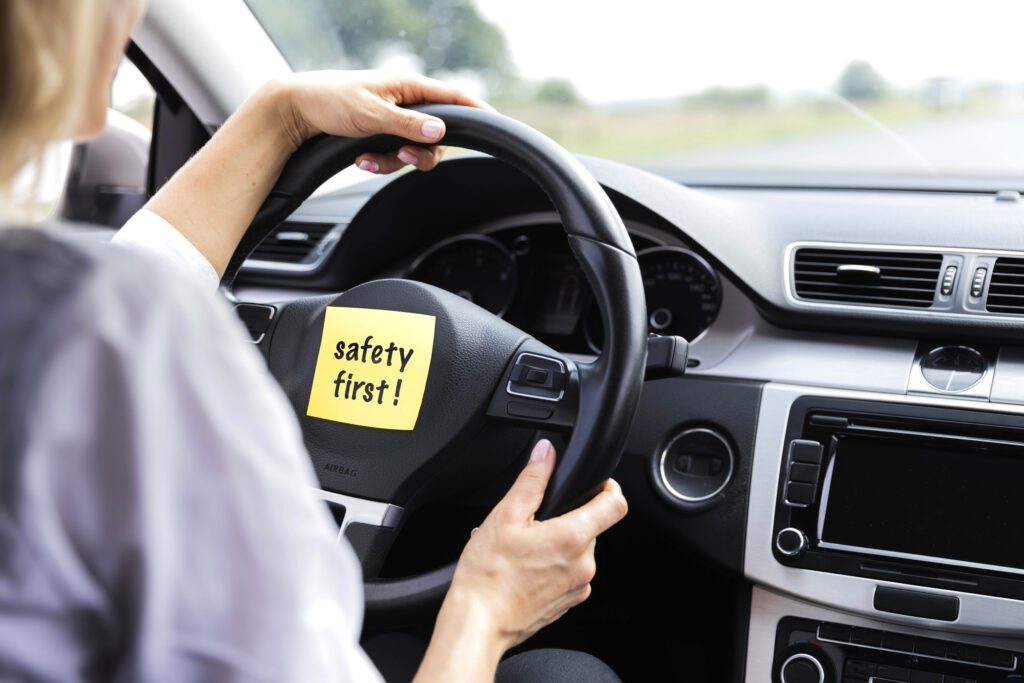
Recovery is a life-changing journey that reshapes how individuals think, feel, and make decisions. It does not end when treatment is complete. Instead, it continues in everyday actions, including something as routine as driving. For individuals in addiction recovery and mental health treatment, safe driving becomes a meaningful practice of awareness, responsibility, and self-discipline. Every time you get behind the wheel, you are given an opportunity to reinforce the progress you have made in healing and personal growth.
At Atlantic Toyota Scion, we are committed to supporting individuals through compassionate addiction recovery services, mental health treatment, inpatient and outpatient care, and holistic, faith-based, individualized approaches. We understand that recovery extends into daily life, and safe driving is one of the many ways people can apply recovery skills in real-world situations.
Why Safe Driving Matters in Recovery
Driving requires focus, quick decision-making, and emotional regulation. These are the same skills strengthened throughout recovery. However, the transition back into daily responsibilities can come with challenges. Stress, fatigue, or emotional triggers may still arise, making awareness behind the wheel even more important.
Safe driving supports recovery by:
- Reinforcing accountability and self-control
- Strengthening focus and emotional regulation
- Reducing risk during stressful or unexpected situations
- Encouraging mindful decision-making in everyday life
Each safe driving choice reflects the stability and growth built through recovery.
The Connection Between Awareness and Responsibility
Awareness is the foundation of safe driving. It involves understanding your emotional and physical state, recognizing external conditions, and making responsible choices in real time. Responsibility means acting on that awareness in a way that protects both yourself and others.
Emotional Awareness on the Road
Traffic delays, aggressive drivers, or unexpected changes can trigger emotional responses. In recovery, these moments are opportunities to practice patience and grounding techniques. Deep breathing, pausing before reacting, and focusing on the present moment can help maintain calm and control.
Physical and Mental Readiness
Fatigue, stress, or medication effects can influence reaction time and focus. Checking in with yourself before driving is an important habit. If you feel distracted or exhausted, choosing not to drive is a responsible and protective decision.
Medication and Treatment Considerations
Some medications used in mental health or addiction recovery treatment may affect alertness or coordination. It is important to speak with healthcare providers about how medications may impact driving ability and adjust routines when needed.
Practical Tips for Safe Driving After Recovery
Building safe driving habits is an ongoing process. These practical strategies help reinforce awareness and responsibility on the road.
1. Perform a Pre Drive Check In
Before starting your car, take a moment to assess your mental, emotional, and physical state. This simple pause encourages mindfulness and prevents impulsive decisions.
2. Eliminate All Distractions
Put your phone away, set navigation ahead of time, and avoid multitasking. Focused attention significantly reduces risk and improves reaction time.
3. Practice Defensive Driving
Maintain safe distances, follow speed limits, and anticipate the actions of other drivers. Defensive driving supports calm, proactive decision-making.
4. Plan Your Route in Advance
Knowing where you are going reduces stress and allows for smoother travel. Give yourself extra time to avoid rushing.
5. Use Grounding Techniques While Driving
If stress arises, focus on your breathing or the physical sensation of driving. Grounding techniques help maintain emotional stability and focus.
6. Take Breaks on Long Trips
If you are driving for extended periods, schedule breaks to rest, stretch, and reset your attention. Fatigue management is essential for safety.
How Safe Driving Supports Holistic Recovery
At Atlantic Toyota Scion, we believe recovery is a holistic process that involves the mind, body, and spirit. Safe driving aligns with this philosophy by transforming everyday actions into opportunities for mindfulness and growth.
When individuals practice responsible driving, they strengthen:
- Emotional regulation and patience
- Cognitive focus and awareness
- Personal accountability and structure
- Confidence in independent living
These habits reinforce the skills learned in therapy, counseling, and support programs, helping individuals maintain long-term stability.
Conclusion: Every Drive Is a Step Forward in Recovery
Safe driving after recovery is more than a practical responsibility. It is a reflection of your commitment to growth, awareness, and long-term wellness. Each mindful decision behind the wheel strengthens the foundation you have built through recovery and supports a healthier future.
If you or someone you love is seeking support through addiction recovery services, mental health treatment, or holistic care, Atlantic Toyota Scion is here to help. Our compassionate, client-centered team provides individualized care designed to support healing, stability, and lasting change.
Reach out today to take the next step toward a safer, more confident, and more empowered life.
