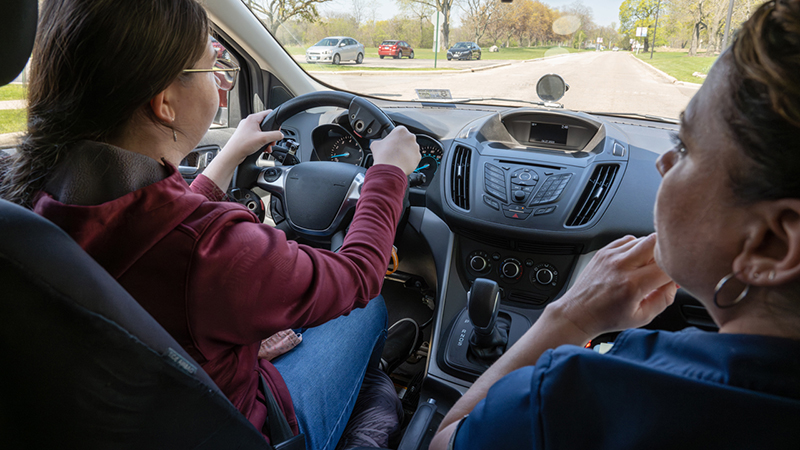
Recovery is a journey that extends beyond treatment rooms and support groups. It touches every part of daily life, including activities we often take for granted, like driving. For individuals in recovery, each decision behind the wheel can reflect personal growth, responsibility, and mindfulness. Driving with awareness is not only about avoiding accidents. It is about applying the skills and habits cultivated during recovery to maintain safety, emotional balance, and overall well-being.
At Atlantic Toyota Scion, we provide compassionate, individualized care that integrates addiction recovery services, mental health treatment, inpatient and outpatient care, and holistic faith-based support. Safe driving is a practical way to reinforce the principles of recovery in everyday life while building confidence and independence.
The Connection Between Safe Driving and Recovery
Driving safely requires focus, attention, and thoughtful decision-making. These same qualities are essential in recovery. When individuals prioritize awareness on the road, they practice the same self-regulation, patience, and emotional control learned in therapy and support programs.
Mindful driving strengthens accountability, a cornerstone of long-term recovery. Every conscious choice—slowing down in traffic, avoiding distractions, or anticipating hazards—reinforces the skills needed to maintain sobriety and mental wellness.
Challenges Drivers May Face in Recovery
Cognitive and Emotional Awareness
Even after completing treatment, individuals in recovery may experience lingering effects that influence focus, reaction time, or decision-making. Fatigue, stress, or anxiety can increase the risk of errors while driving. Awareness of these factors allows for proactive management, such as taking breaks, practicing mindfulness, or adjusting travel plans.
Medication Considerations
Some medications used during recovery or for mental health treatment can impact alertness, coordination, or judgment. Consulting with healthcare providers about potential side effects and planning driving schedules accordingly ensures safety for both the driver and others on the road.
Environmental Factors
Weather conditions, traffic, and unfamiliar roads can add additional stress while driving. Preparing for these factors through route planning, extra travel time, and staying informed about road conditions reduces risk and supports safer driving habits.
Practical Tips for Mindful and Safe Driving
Implementing structured habits can make driving safer and more intentional for individuals in recovery.
1. Pause and Assess Before Driving
Take a moment to check your physical, mental, and emotional state. Driving when fatigued, anxious, or distracted can compromise safety.
2. Eliminate Distractions
Silence mobile devices, adjust mirrors, and set navigation before starting your trip. Focusing fully on the road supports sustained attention and prevents accidents.
3. Practice Defensive Driving
Maintain safe following distances, obey speed limits, and anticipate other drivers’ actions. Defensive driving demonstrates responsibility and proactive awareness.
4. Plan Ahead
Allow extra time for travel, consider alternative routes, and prepare for possible delays. Planning reduces stress and promotes calm, deliberate decisions.
5. Use Mindfulness Techniques
Deep breathing, attentive observation of surroundings, and conscious decision-making while driving help manage emotional responses and maintain focus.
6. Engage Support Networks
Communicate with trusted family, friends, or recovery peers about your driving habits. Accountability and encouragement from others support safer behavior and reinforce positive habits.
How Safe Driving Integrates with Holistic Recovery
Atlantic Toyota Scion’s holistic, faith-based approach emphasizes the mind, body, and spirit. Safe driving aligns with this philosophy by promoting mindfulness, discipline, and self-care. Practicing awareness behind the wheel reinforces the skills learned in therapy, counseling, and support groups, making them practical in real-life situations.
Integrating safe driving into daily routines strengthens confidence, reduces stress, and encourages responsible, independent living—all of which are vital components of long-term recovery.
Every Choice Counts
Driving with awareness is a reflection of your commitment to recovery and personal wellness. Each thoughtful decision behind the wheel mirrors the discipline, focus, and accountability that support long-term healing.
If you or a loved one are navigating recovery and want guidance on integrating safe driving and other life skills into daily routines, reach out to Atlantic Toyota Scion. Our compassionate, client-focused team offers individualized care, holistic support, and faith-based encouragement to help you thrive on the road and in every aspect of life.
