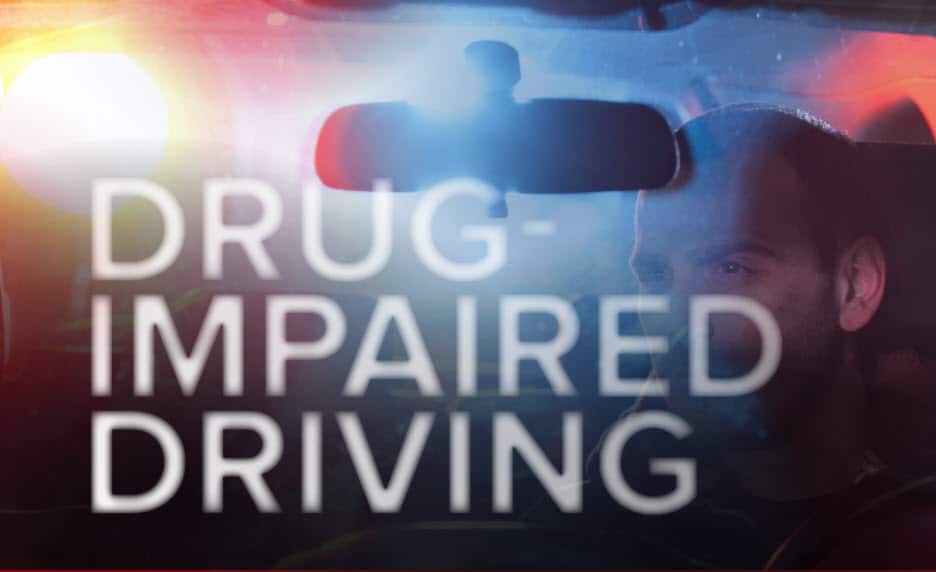
Safe Driving

Being Responsible and Informed About Driving

Sobriety Stops and Second Chances: Stories from DUI Recovery Programs

August 25th, 2025

A DUI arrest can feel like the end of the road. For many individuals, being stopped for impaired driving is one of the lowest points in their lives. Yet for others, that moment becomes a turning point—the start of a journey toward sobriety, healing, and redemption. At Atlantic Toyota Scion Recovery Center, we have seen firsthand how what begins as a painful setback can transform into a powerful story of resilience and second chances.


The Reality of DUI and Addiction

Driving under the influence is not only a legal offense but also a clear sign of deeper struggles with alcohol or drug use. Many people arrested for DUI did not set out to hurt themselves or others. Often, they are battling unresolved trauma, mental health challenges, or dependence on medications or substances that have taken hold of their lives.

A DUI arrest forces individuals to confront the consequences of their choices. It can lead to fines, license suspension, court-ordered treatment, and in some cases, jail time. While these penalties are serious, they can also act as a wake-up call. For many, the DUI is the first undeniable evidence that help is needed.


How Recovery Programs Provide a Lifeline

A path toward accountability and healing

DUI recovery programs are designed not just to satisfy court requirements, but to address the underlying issues that led to impaired driving in the first place. At Atlantic Toyota Scion, our addiction recovery services focus on helping clients recognize their triggers, rebuild coping skills, and create healthier patterns for the future.

Individualized and holistic care

No two recovery journeys are the same. Some clients benefit from inpatient care where they can step away from daily pressures and focus entirely on healing. Others thrive in outpatient programs that allow them to maintain work or family responsibilities while receiving structured support. Our holistic and faith-based approaches ensure that treatment addresses the mind, body, and spirit.


Stories of Second Chances

Rebuilding family trust

One client described how their DUI arrest initially shattered family relationships. Through consistent participation in therapy and recovery meetings, they rebuilt trust with their children and spouse. What began as shame and regret evolved into a deeper commitment to being present and sober for their loved ones.

Finding freedom from dependency

Another client shared how their DUI opened their eyes to how much painkillers had taken over their life after an injury. The structured environment of inpatient treatment gave them the tools to step away from dependency and rediscover purpose. Today, they not only maintain sobriety but also mentor others who are entering recovery.

Renewed hope through faith and support

Several clients have expressed that the faith-based support offered at our center gave them a renewed sense of hope. What seemed like punishment became the catalyst for a new chapter filled with clarity, stability, and healing.


Practical Lessons for Anyone Facing a DUI

  • See the DUI as a signal, not a sentence. It is a chance to evaluate your relationship with substances and make changes.
  • Seek professional support. Recovery is far more effective when guided by experienced counselors, therapists, and medical professionals.
  • Stay open to holistic healing. Lasting recovery often requires attention to mental health, physical wellness, and spiritual renewal.
  • Remember that you are not alone. Thousands of people have walked this path and emerged stronger on the other side.

Choosing Recovery Over Regret

At Atlantic Toyota Scion, we believe that no one should be defined by their worst mistake. A DUI can feel devastating, but it does not have to be the end of your story. With compassionate care, individualized treatment, and a commitment to growth, it can mark the beginning of a new life filled with strength and sobriety.

If you or a loved one are struggling with the aftermath of a DUI, reach out to Atlantic Toyota Scion Recovery Center today. The road ahead may not be easy, but second chances are real, and recovery is possible.

From Prescription to Prison: The Overlooked Risk of Medication and Driving

August 5th, 2025

When a prescription is meant to heal but leads to handcuffs, something critical is being missed.

Many people assume that as long as a medication is legally prescribed, it’s safe. But when it comes to driving, that assumption can be dangerously wrong. At Atlantic Toyota Scion Recovery Center, we understand how complex the path from medication use to substance abuse can be—and how the consequences can extend far beyond physical health. One of the most overlooked risks we see in our clients is the connection between certain medications and impaired driving, which can lead to legal trouble, license suspension, and even incarceration.

Whether it’s painkillers after surgery, anti-anxiety meds, or sleep aids, these drugs can seriously impair a person’s ability to drive safely. And the legal system doesn’t make exceptions for those who didn’t know better. Understanding this risk is vital for anyone navigating recovery or managing mental health with medication.


Understanding How Medication Impairs Driving

It’s not just illicit drugs and alcohol

Most people know that drinking and driving is dangerous and illegal. But prescription medications like opioids, benzodiazepines, muscle relaxants, and even antihistamines can affect your coordination, reaction time, and judgment behind the wheel.

Common effects include:

  • Drowsiness or fatigue
  • Blurred vision
  • Dizziness
  • Slowed reaction times
  • Difficulty focusing or staying alert

Many individuals take these medications while believing they are functioning normally. However, impaired driving doesn’t always “feel” impaired. The danger often lies in how silently these medications affect the nervous system.


The Legal Consequences of Driving While Medicated

Yes, you can get a DUI for legally prescribed meds

Driving under the influence doesn’t just apply to alcohol or street drugs. In most states, if your ability to drive is impaired by any substance—including legal prescriptions—you can be arrested and charged with a DUI.

A conviction can lead to:

  • Heavy fines
  • Court-ordered rehabilitation
  • Suspension or loss of your driver’s license
  • Jail time
  • A permanent criminal record

For individuals in recovery, a single incident like this can derail months of progress. It can also deeply impact employment, housing, and family relationships.


Why This Risk Is Especially High for Those in Recovery

Many people struggling with addiction have a history of using medications to manage pain, anxiety, or trauma. After entering recovery, managing symptoms without compromising sobriety becomes a new challenge. Some are prescribed medication during early recovery or mental health treatment and are unaware of the risks it poses behind the wheel.

At Atlantic Toyota Scion Recovery Center, we emphasize the importance of education around safe medication use. We understand that treatment is not just about breaking free from substances, but also about building a sustainable and informed lifestyle. That includes knowing how to take care of yourself legally and responsibly.


Staying Safe: Practical Steps You Can Take

1. Always read warning labels

Many prescriptions include warnings about operating machinery. Take these seriously.

2. Talk to your doctor or therapist

Be honest about your driving habits and ask whether a medication could impair your ability to drive. If you’re in recovery, ask about non-addictive alternatives or medication adjustments.

3. Avoid driving if you feel off

If you feel drowsy, disoriented, or unusually fatigued after taking a medication, stay off the road. Use a ride-sharing service or ask for help.

4. Monitor side effects during the first few doses

Most impairing side effects occur when your body is adjusting to a new medication. Be especially cautious in the first days or weeks.


Compassionate Care That Helps You Stay in Control

At Atlantic Toyota Scion, we offer individualized, faith-based, and holistic recovery plans that treat the whole person—not just the addiction. Our inpatient and outpatient programs are designed to educate, support, and empower individuals at every stage of healing. Whether you’re managing chronic pain, anxiety, or trauma, we work with you to ensure your treatment plan supports your long-term recovery goals and keeps you safe—on and off the road.


Take the Next Step Toward Recovery and Safety

Medication can be a powerful tool for healing, but when misused—or misunderstood—it can lead to consequences no one intended. If you or a loved one is struggling with substance use, managing mental health medications, or facing legal trouble related to impaired driving, we’re here to help.

Don’t wait until one ride changes everything. Reach out to Atlantic Toyota Scion today and take the first step toward a healthier, more informed, and empowered life.

The Cost of One Ride: Legal and Personal Consequences of Driving Under the Influence

July 20th, 2025

Driving under the influence (DUI) of alcohol or drugs is one of the most reckless decisions a person can make. What might seem like a short or harmless trip home can quickly turn into a life-changing event. The consequences of a DUI go far beyond fines and court appearances—they impact nearly every area of life, from finances to family relationships, careers, and personal health. One ride under the influence can cost far more than most people realize.

Legal Consequences

The legal system treats DUI offenses seriously because of the danger they pose to public safety. Penalties vary depending on the jurisdiction and whether it’s a first-time or repeat offense, but they are always severe. A typical first-time DUI can result in hefty fines, court costs, and the suspension or revocation of a driver’s license. In some cases, the offender may be required to install an ignition interlock device—a breathalyzer attached to the vehicle that prevents it from starting if alcohol is detected.

Jail time is also a possibility, especially if the DUI resulted in an accident, injury, or death. Repeat offenders face longer jail sentences, mandatory rehabilitation programs, and the possibility of felony charges. In addition, a DUI conviction creates a permanent criminal record, which can follow a person for the rest of their life.

Financial Impact

The financial costs of a DUI are staggering. According to estimates from various traffic safety organizations, the total expense of a first-offense DUI can easily reach $10,000 or more. This includes fines, attorney fees, court costs, higher insurance premiums, vehicle towing and impound fees, and expenses for mandatory treatment programs. For many, the economic fallout doesn’t stop there—some individuals lose their jobs, especially if they hold positions that require driving or a clean criminal record.

Personal and Emotional Consequences

Beyond the legal and financial penalties, there are personal consequences that often cause lasting damage. A DUI arrest can create shame, guilt, and a sense of failure. Relationships with family and friends may become strained, particularly if the incident led to injury or loss of life. For those who cause accidents while under the influence, the emotional burden can include lifelong regret and trauma.

A DUI conviction can also derail educational and professional plans. Some colleges and employers conduct background checks and may deny opportunities to those with criminal records. Certain professional licenses—such as for healthcare providers, educators, or commercial drivers—may be revoked or suspended.

Preventable Tragedy

Every DUI incident is preventable. With the availability of rideshare services, taxis, designated drivers, and public transportation, there is never a valid reason to drive impaired. Making the right choice not only protects your life but also safeguards the lives of others on the road.

The cost of one ride under the influence isn’t just measured in dollars or court dates—it’s counted in lost trust, damaged reputations, shattered families, and sometimes, irreversible tragedy. Choosing to drive sober is the simplest way to avoid paying this devastating price.

Impaired Judgment: How Alcohol and Drugs Compromise Driving Skills

July 8th, 2025

Driving is a complex task that relies heavily on clear thinking, quick reactions, and good decision-making. When alcohol or drugs enter the equation, these essential abilities can quickly deteriorate, turning an otherwise competent driver into a serious threat on the road. Impaired judgment is one of the most dangerous consequences of substance use behind the wheel—and it’s often underestimated.

Judgment is the mental process that allows drivers to assess risk, interpret road conditions, and make safe decisions in real time. Alcohol and many drugs alter brain chemistry, slowing this process and affecting areas responsible for reasoning, focus, and impulse control. A driver who has been drinking or using drugs may misjudge speed, fail to notice stop signs, or overestimate their ability to react to sudden changes on the road.

Alcohol is one of the most well-documented impairing substances. Even small amounts can affect judgment. At a blood alcohol concentration (BAC) of just 0.02%, drivers may already experience reduced visual functions and difficulty performing two tasks at once. By the legal limit of 0.08%, most individuals show clear signs of impaired coordination, reduced information processing, and delayed reaction time—all factors that increase the risk of a crash.

Drugs—whether legal, illegal, or over-the-counter—can also have significant effects on driving. Marijuana, for example, alters perception, slows reflexes, and affects spatial awareness. Opioids may cause drowsiness and reduced attention. Stimulants like cocaine or methamphetamine can lead to reckless driving behaviors due to overconfidence and aggression. Even seemingly harmless medications like antihistamines or sleep aids can cause fatigue and mental fog.

One of the biggest risks with impaired judgment is the driver’s inability to recognize their own limitations. Someone under the influence may feel confident and capable, unaware that their cognitive and motor skills are significantly compromised. This false sense of control often leads to dangerous choices—like speeding, tailgating, or attempting risky maneuvers—that sober drivers would likely avoid.

The statistics are sobering. According to the National Highway Traffic Safety Administration (NHTSA), every day about 37 people in the United States die in drunk-driving crashes—that’s one person every 39 minutes. Additionally, drug-impaired driving is becoming more common, particularly in crashes involving multiple substances. The combination of drugs and alcohol significantly amplifies impairment and risk.

Preventing impaired driving requires both personal accountability and public awareness. It starts with recognizing that “just one drink” or “a small dose” can still impair judgment enough to put lives at risk. Friends and family should intervene when someone attempts to drive under the influence, and communities should support education, enforcement, and accessible transportation alternatives.

In the end, driving is a privilege that demands full mental and physical presence. Alcohol and drugs strip away that clarity, replacing sound judgment with dangerous decisions. By understanding how impairment works and choosing not to drive under the influence, we can all contribute to safer roads and fewer tragedies.

When Highways Meet High Times: Substance Abuse and Its Impact on Road Safety

June 14th, 2025

Modern highways are designed for speed, efficiency, and safety. Yet when drivers take to the road under the influence of substances, these same highways can quickly become the site of tragic and preventable accidents. While much of the public conversation has focused on alcohol-impaired driving, substance abuse involving drugs—both legal and illegal—poses an equally significant threat to road safety.

Substance abuse affects the body and brain in ways that severely compromise a driver’s ability to operate a vehicle safely. Drugs such as marijuana, opioids, methamphetamines, cocaine, and even certain prescription medications can impair coordination, slow reaction times, distort perception, and reduce the ability to make sound judgments. The result? Drivers are less able to handle the complex task of navigating traffic, responding to sudden hazards, or making split-second decisions that could mean the difference between a safe trip and a deadly crash.

One of the growing concerns today is the normalization of certain substances, particularly marijuana, as more regions move toward legalization. While the debate around marijuana use continues, one fact is clear: driving under the influence of cannabis is dangerous. Studies show that marijuana use can impair motor skills, tracking ability, and attention span—all critical components of safe driving. Drivers who are high may misjudge distances, have slower reaction times, or drift between lanes without realizing it.

Opioids, often prescribed for pain relief, can also have a devastating impact on road safety. These medications may cause drowsiness, dizziness, and difficulty concentrating. In some cases, drivers may even fall asleep at the wheel. With the ongoing opioid crisis affecting communities across the world, the risk of impaired driving has become a serious public health concern.

What makes substance-impaired driving particularly dangerous is the false sense of confidence many drivers feel. Someone under the influence may believe they are still capable of handling a vehicle, underestimating how deeply their skills are compromised. This overconfidence can lead to risky behaviors like speeding, tailgating, or ignoring traffic signals—putting everyone on the road in danger.

The statistics paint a sobering picture. According to the National Highway Traffic Safety Administration (NHTSA), drug-impaired drivers are involved in thousands of crashes each year, many of them fatal. In fact, studies have found that a significant proportion of drivers killed in accidents had drugs in their system at the time of the crash. When substances are mixed—such as alcohol and drugs together—the risk multiplies, creating an even deadlier combination.

Addressing this issue requires action on multiple fronts. Public education campaigns must emphasize that “high” driving is impaired driving, no matter the substance. Law enforcement agencies need better tools and training to identify drug-impaired drivers on the road. And individuals must take personal responsibility, recognizing that no substance is safe behind the wheel.

When highways meet high times, the results can be tragic. By raising awareness, strengthening prevention efforts, and promoting responsible choices, we can work toward safer roads for all.

Behind the Wheel and Under the Influence: The Hidden Dangers of Drugged Driving

May 31st, 2025

Driving is a task that demands full attention, quick reflexes, and sound judgment. Yet every year, thousands of drivers get behind the wheel impaired—not just by alcohol, but by drugs as well. While public awareness campaigns have long warned about drunk driving, the dangers of drugged driving remain less understood and more difficult to detect. The rise in prescription drug use, the legalization of marijuana in many states, and the ongoing opioid crisis have made drug-impaired driving a growing and often overlooked threat to road safety.

Drugged driving refers to operating a motor vehicle while under the influence of legal or illegal substances that impair a person’s ability to drive safely. These substances include marijuana, opioids, sedatives, stimulants, and even some over-the-counter medications. Unlike alcohol, which has a well-established legal limit for impairment (0.08% blood alcohol concentration), drugs affect people differently and don’t have standardized thresholds, making them harder to regulate and enforce.

One of the most concerning aspects of drugged driving is that many individuals may not even realize they are impaired. For example, a person taking prescription painkillers or anti-anxiety medications may feel capable of driving but may be experiencing drowsiness, delayed reaction times, or diminished concentration—factors that can lead to accidents. Marijuana, in particular, can impair motor coordination and slow reaction time, even when the user feels alert. When drugs are combined—especially with alcohol—the impairment can be even more severe and unpredictable.

The consequences of drugged driving are far-reaching. According to the National Highway Traffic Safety Administration (NHTSA), in recent years, more than half of drivers killed in crashes who were tested had drugs in their system. Drug-impaired drivers are more likely to miss stop signs, drift into other lanes, or fail to notice hazards in time to avoid them. These mistakes can—and often do—lead to serious injuries or fatalities.

Law enforcement faces significant challenges in detecting and prosecuting drugged driving. Standard breathalyzers don’t detect drugs, and roadside tests for drug impairment are still evolving. Many officers rely on drug recognition experts (DREs) to identify signs of impairment, but these experts are not always available. As a result, many drug-impaired drivers go undetected until after an accident occurs.

Preventing drugged driving starts with awareness and responsibility. Individuals must understand how the substances they take—prescription or otherwise—can affect their ability to drive. Healthcare providers and pharmacists should counsel patients on the risks, especially when medications can impair alertness or coordination. Communities, schools, and public safety campaigns must work to educate people about the dangers of driving under the influence of any impairing substance, not just alcohol.

Ultimately, keeping roads safe means recognizing that impairment comes in many forms. Drugged driving is not just a legal issue; it’s a public health concern that demands education, enforcement, and empathy. Only by acknowledging and addressing these hidden dangers can we reduce accidents, save lives, and create safer roads for everyone.

Seatbelts are one of the most essential safety features in any vehicle. Despite their simplicity, they play a crucial role in protecting occupants during a crash. The science behind seatbelts demonstrates why they are so effective and why wearing them should be a non-negotiable habit for every driver and passenger. Understanding how seatbelts work and the physics behind their life-saving capabilities can help reinforce their importance.

How Seatbelts Work

Seatbelts are designed to secure occupants in their seats and distribute the forces of a collision across the strongest parts of the body—typically the chest, pelvis, and shoulders. In the event of a sudden stop or crash, a seatbelt restrains the body and prevents it from being thrown forward or ejected from the vehicle.

Modern seatbelt systems typically include a three-point harness that spans across the chest and lap. This design helps reduce the risk of injury by spreading impact forces more evenly, rather than concentrating them in one area. The belts are also equipped with retractors and locking mechanisms that tighten during a crash, holding occupants firmly in place.

The Physics Behind Seatbelts

In a moving vehicle, everything inside is traveling at the same speed as the car. If the car suddenly stops due to a collision, any unrestrained objects or people will continue moving at that same speed until they are stopped by another force—often the dashboard, windshield, or pavement.

This is where seatbelts come in. They apply the necessary counterforce to slow the body’s motion more gradually, reducing the severity of impact. By preventing the body from colliding with hard surfaces or being ejected, seatbelts drastically decrease the likelihood of serious injuries or fatalities.

Life-Saving Statistics

According to the National Highway Traffic Safety Administration (NHTSA), seatbelts reduce the risk of death for front-seat occupants by about 45% and the risk of moderate to critical injury by 50%. In 2020 alone, seatbelts saved an estimated 14,955 lives in the United States.

Unfortunately, many fatalities in car crashes involve individuals who were not wearing seatbelts. These tragedies are often preventable, highlighting the critical importance of buckling up every time, no matter how short the trip.

Common Myths Debunked

Some people believe that seatbelts can trap them in a car during an emergency, but data shows that being restrained significantly increases the chances of survival. Others think airbags alone are sufficient protection, but airbags are designed to work in tandem with seatbelts—not as a replacement.

Another misconception is that seatbelts are unnecessary on short trips or at low speeds. However, most car crashes occur close to home and at relatively low speeds, where seatbelts still provide vital protection.

Conclusion

The science of seatbelts is rooted in basic physics and proven through decades of research and crash data. They are simple devices with a profound impact on road safety. Wearing a seatbelt takes just seconds, but it can make the difference between life and death in a crash. Buckle up—every trip, every time.

Weathering the Storm: Safe Driving Tips for Rain, Snow, and Fog

May 13th, 2025

Driving in bad weather can be one of the most stressful and dangerous aspects of being on the road. Rain, snow, and fog all present unique challenges that can compromise visibility, traction, and control. Whether you’re a seasoned driver or a novice, understanding how to adapt your driving to various weather conditions is essential for staying safe. Here are key tips for handling rain, snow, and fog safely.

Driving in Rain

Rain is one of the most common weather conditions that affect driving. Even a light drizzle can reduce visibility and make the roads slippery.

  • Slow Down: Wet roads can cause your tires to lose traction, especially at higher speeds. Reduce your speed and increase your following distance.
  • Use Headlights: Turn on your headlights to improve visibility and ensure other drivers can see you.
  • Avoid Standing Water: Driving through puddles can lead to hydroplaning or engine damage. If you can’t avoid a large puddle, drive through it slowly.
  • Check Wipers and Tires: Make sure your windshield wipers are in good condition and your tires have adequate tread to handle wet conditions.

Driving in Snow

Snow and ice can significantly reduce traction and make stopping distances much longer. When driving in snowy conditions, extra caution is necessary.

  • Drive Slowly and Smoothly: Sudden movements can lead to skidding. Accelerate, brake, and turn gradually.
  • Increase Following Distance: Leave plenty of space between you and the vehicle ahead to allow for safe stopping.
  • Use Snow Tires or Chains: In areas prone to heavy snowfall, snow tires or chains can greatly improve grip.
  • Clear Snow and Ice: Before driving, clear all snow and ice from your windows, mirrors, lights, and roof.
  • Avoid Cruise Control: Cruise control can be dangerous on slippery roads, as it may reduce your ability to react quickly.

Driving in Fog

Fog can dramatically reduce visibility, making it difficult to see other vehicles, road signs, and obstacles.

  • Use Low Beams: High beams can reflect off the fog and reduce visibility even more. Use low beams or fog lights.
  • Reduce Speed: Drive at a speed that allows you to stop safely within the distance you can see ahead.
  • Increase Following Distance: Just like with rain and snow, extra distance gives you more time to react.
  • Avoid Sudden Stops: Brake gently to avoid being rear-ended, and signal early when turning or changing lanes.
  • Use Road Markings: Follow the painted road lines to stay in your lane and avoid drifting.

Conclusion

Driving in adverse weather conditions requires patience, caution, and preparedness. By adjusting your speed, increasing your following distance, and ensuring your vehicle is equipped for the conditions, you can greatly reduce your risk of accidents. Always stay informed about the weather before heading out, and if conditions are too severe, consider postponing your trip. Your safety and that of others on the road depend on smart, responsible driving—even when the weather doesn’t cooperate.

Teen Drivers & Safety: What Every Parent Needs to Know

May 1st, 2025

Learning to drive is a major milestone for teenagers, but it also introduces serious safety risks. Car crashes are one of the leading causes of death among teens, largely due to inexperience, distractions, and risky behaviors. As a parent, your involvement plays a crucial role in helping your teen become a safe and responsible driver. Here’s what every parent should know to guide their teen toward safe driving habits.

1. Set Clear Expectations Early

Before your teen gets behind the wheel, it’s important to establish ground rules. Discuss the importance of safe driving and your expectations around behavior, such as no texting while driving, obeying speed limits, and never driving under the influence. Setting clear rules and consequences helps reinforce responsible behavior.

2. Be a Role Model

Teens often emulate the behavior of their parents. If you regularly speed, use your phone, or drive aggressively, your teen is more likely to do the same. Demonstrate safe driving practices every time you’re behind the wheel to set a strong example.

3. Practice Together Often

The more supervised driving practice your teen gets, the more confident and skilled they’ll become. Aim to provide practice in various conditions—nighttime driving, bad weather, highways, and heavy traffic. This helps teens gain experience handling real-world driving challenges.

4. Enforce a Zero-Tolerance Policy on Alcohol and Drugs

Make it absolutely clear that driving under the influence is never acceptable. Even small amounts of alcohol or certain medications can impair judgment and reaction times. Encourage your teen to call you or use a ride service if they ever feel unsafe to drive.

5. Limit Nighttime Driving and Passengers

Studies show that teen drivers are more likely to be involved in crashes at night and when carrying passengers. Limit driving after dark and restrict the number of passengers your teen can have in the car, especially during the first year of driving.

6. Emphasize the Dangers of Distracted Driving

Distracted driving, especially due to texting, is a leading cause of teen crashes. Talk openly about the risks and encourage your teen to put their phone away while driving. Some parents install apps or use settings that limit phone use while driving.

7. Use a Parent-Teen Driving Agreement

A written agreement outlining the rules, privileges, and responsibilities of driving can help make expectations clear. Review and update the agreement regularly based on your teen’s progress and behavior.

8. Monitor Their Driving Habits

Telematics devices or smartphone apps can track driving behavior, such as speed, braking, and phone usage. These tools can provide feedback and open the door for constructive conversations about safe driving.

9. Choose a Safe Vehicle

When selecting a vehicle for your teen, prioritize safety features over style. Look for cars with high safety ratings, good crash-test performance, and features like anti-lock brakes, electronic stability control, and airbags.

Conclusion

Helping your teen become a safe driver requires active involvement, consistent guidance, and open communication. By setting a good example, enforcing rules, and encouraging safe habits, you can greatly reduce the risks your teen faces on the road—and give yourself greater peace of mind.

Nighttime Driving Safety: Tips for Seeing and Being Seen

April 17th, 2025

Driving at night presents unique challenges, even for experienced drivers. Reduced visibility, glare from headlights, and an increased likelihood of encountering fatigued or impaired drivers all contribute to higher accident risks after dark. Fortunately, there are several steps you can take to stay safe on the road at night. Here are some key tips for seeing clearly and ensuring that others can see you too.

1. Keep Your Headlights Clean and Properly Aligned

Headlights are your primary tool for seeing the road ahead in the dark. Make sure they are clean and functioning properly. Over time, headlights can become cloudy or misaligned, which significantly reduces visibility. Check them regularly and replace any dim or burned-out bulbs.

2. Use Your High Beams Wisely

High beams provide additional light on dark roads, especially in rural or poorly lit areas. However, they can also blind oncoming drivers. Use them when there’s no traffic ahead and switch to low beams when approaching other vehicles. Be courteous and dim your lights when following another car closely.

3. Avoid Looking Directly at Oncoming Headlights

The glare from oncoming headlights can impair your vision and make it difficult to see the road. Try to look slightly to the right of the oncoming lights, focusing on the white line along the side of the road. This can help you maintain your lane position while avoiding temporary blindness from glare.

4. Keep Your Windshield and Mirrors Clean

A dirty windshield can scatter light and create glare, especially when facing headlights. Clean the inside and outside of your windshield regularly. Don’t forget your mirrors—dirty side and rearview mirrors can also increase glare and reduce visibility.

5. Reduce Your Speed

Driving slower at night gives you more time to react to unexpected hazards, such as animals, pedestrians, or stalled vehicles. Since visibility is reduced, it’s important to adjust your speed accordingly, even if the road is familiar.

6. Increase Following Distance

At night, it’s harder to judge distances and reaction times may be slower. Leave extra space between your car and the vehicle in front of you. This additional buffer gives you more time to react in case of sudden stops or changes in traffic.

7. Make Sure You’re Seen

Ensure that other drivers can see you by using your headlights from dusk to dawn, even in well-lit areas. Check that your brake lights, turn signals, and taillights are all functioning properly. Reflective tape or decals on your vehicle or trailer can also improve visibility.

8. Watch for Wildlife

Animals are more active at night and can unexpectedly cross the road. Be especially cautious in rural or wooded areas. If you see one animal, more may be nearby. Use your high beams when safe to help spot animals from a distance.

9. Stay Alert and Avoid Drowsy Driving

Fatigue is a common issue at night. If you feel drowsy, pull over in a safe place and rest. Avoid driving long distances without breaks, and try to stay on well-lit, familiar routes whenever possible.

Conclusion

Nighttime driving requires extra attention and preparation, but by following these safety tips, you can significantly reduce the risks. Prioritize visibility—both for yourself and others—and stay alert to ensure a safe journey after dark.

How to Stay Calm Behind the Wheel

April 6th, 2025

Driving can be a stressful experience, especially when faced with heavy traffic, aggressive drivers, or unexpected delays. Stress and anger behind the wheel can lead to poor decision-making, road rage, and even accidents. Learning how to stay calm while driving is essential for your safety and the well-being of everyone on the road. Here are practical tips to help you maintain your composure behind the wheel.

1. Plan Ahead

One of the best ways to reduce stress while driving is to plan your trip in advance. Check traffic conditions, weather forecasts, and estimated travel times before you leave. Give yourself plenty of time to reach your destination to avoid feeling rushed or anxious.

2. Practice Deep Breathing

If you start to feel stressed or frustrated, deep breathing can help calm your nervous system. Try inhaling slowly through your nose for a count of four, holding your breath for four seconds, and exhaling slowly through your mouth for another four counts. Repeat this several times to feel more relaxed.

3. Listen to Calming Music or Podcasts

Music has a powerful effect on our emotions. Create a playlist of calming music or listen to a relaxing podcast or audiobook while driving. Avoid aggressive or high-energy music that might contribute to stress or agitation.

4. Maintain a Comfortable Environment

A cluttered or uncomfortable car can add to your stress. Keep your vehicle clean and organized. Adjust your seat, mirrors, and temperature controls before you begin driving so that you’re comfortable and can focus fully on the road.

5. Avoid Aggressive Drivers

When you encounter aggressive drivers, it’s important not to engage with them. Don’t respond to rude gestures, tailgating, or honking. Instead, stay focused, keep a safe distance, and let them pass. Your goal is to de-escalate, not to prove a point.

6. Use Mindfulness Techniques

Mindfulness is the practice of being present in the moment. While driving, focus on what’s happening around you—the feel of the steering wheel, the sounds of the road, the scenery. If your mind starts to wander or you begin to feel tense, gently bring your attention back to your surroundings.

7. Take Breaks During Long Trips

Fatigue and stress can build up during long drives. Plan rest stops every couple of hours to stretch, walk around, and refresh your mind. Even a five-minute break can make a big difference in your mood and concentration.

8. Adjust Your Perspective

Sometimes the biggest source of stress is our own mindset. Remind yourself that delays and traffic are a part of driving and out of your control. Accepting the situation and staying patient can help prevent frustration.

9. Stay Hydrated and Eat Light

Dehydration and hunger can affect your mood and focus. Keep water and healthy snacks in your car, especially on long trips. Avoid heavy meals before driving, as they can make you feel sluggish or irritable.

Conclusion

Staying calm behind the wheel is a crucial part of safe and responsible driving. By preparing ahead, managing your stress, and adopting a mindful attitude, you can create a more peaceful and focused driving experience. Remember, your emotional state affects your driving—so choose calm, and drive safely.