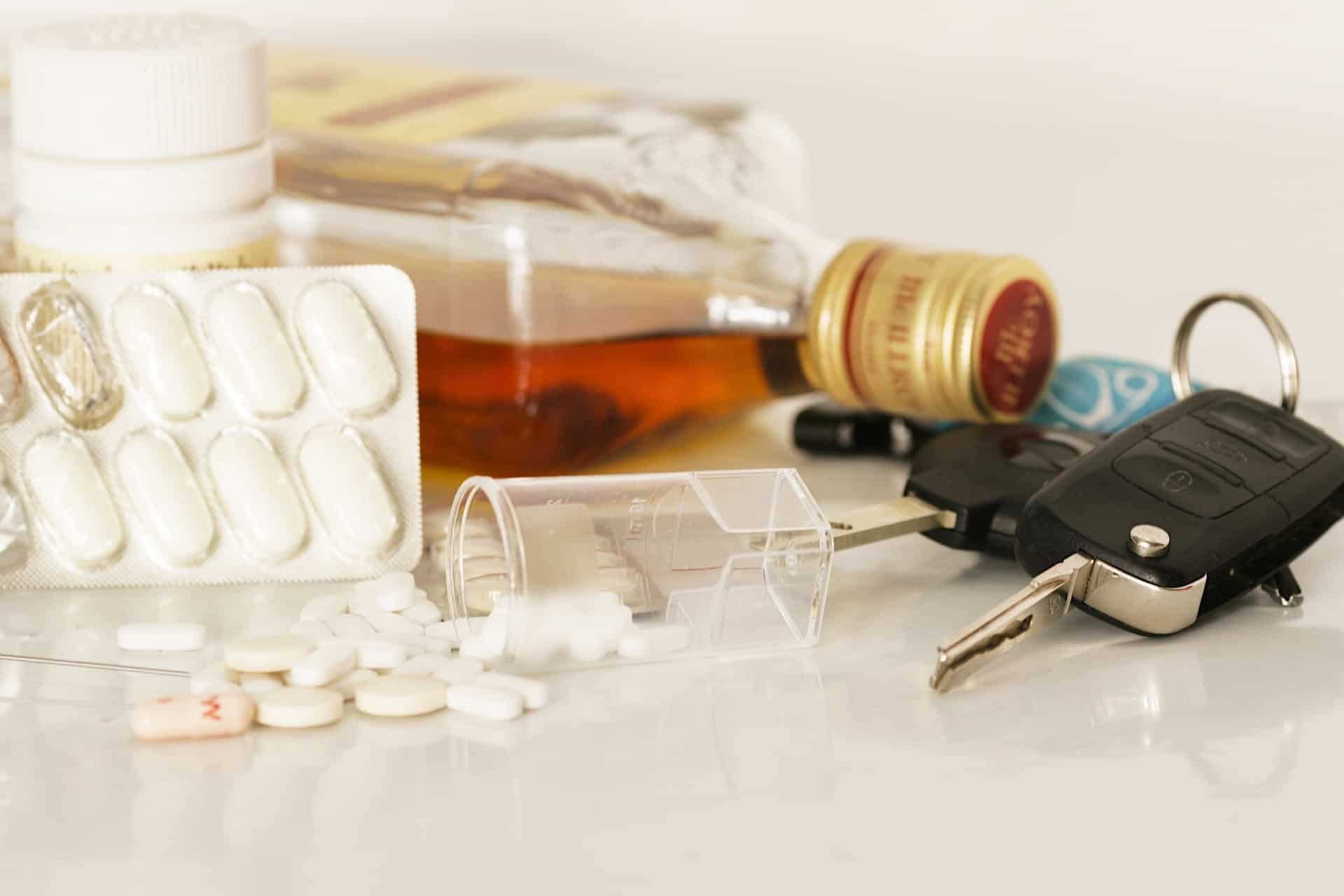
Driving requires focus, coordination, and split-second decision-making. Even a minor impairment can be dangerous, yet many people underestimate the impact of substances beyond alcohol. At Atlantic Toyota Scion Recovery Center, we understand that addiction and mental health challenges often intersect with everyday activities like driving. Recognizing how substances affect the body and mind is essential for safety, recovery, and long-term well-being.
How Substances Affect the Brain and Body
Alcohol and the nervous system
Alcohol is a central nervous system depressant that slows communication between the brain and body. Even small amounts can reduce reaction time, impair judgment, and affect coordination. Drivers may underestimate speed, misjudge distances, or fail to respond to unexpected obstacles.
Prescription medications and over-the-counter drugs
Medications such as opioids, benzodiazepines, and certain antihistamines can also impair driving. These drugs may induce drowsiness, blurred vision, dizziness, or delayed reflexes. Many people assume that because a substance is prescribed, it is safe to drive, but impairment can occur regardless of legality.
Illicit drugs and stimulants
Stimulants like cocaine and methamphetamine may create a false sense of alertness, leading to overconfidence behind the wheel. Cannabis, on the other hand, can slow reaction times, impair coordination, and distort spatial awareness. The combination of substances—including alcohol—further increases the risk of accidents.
Understanding Impairment Beyond Legal Limits
Why “buzzed driving” is dangerous
Many people believe that being slightly buzzed or under the influence of medication is harmless. The science tells a different story. Impairment can begin long before legal intoxication limits are reached. Even mild effects on the brain can compromise visual tracking, reaction time, and decision-making.
The cumulative effects of multiple substances
Mixing substances—whether alcohol and prescription drugs or multiple medications—can magnify impairment. The combined effects can be unpredictable, increasing the likelihood of crashes. Recovery programs emphasize education about these risks, helping clients understand that safety depends on clarity and caution.
How Recovery Programs Address Driving Risks
Education and awareness
At Atlantic Toyota Scion, our addiction recovery programs focus on teaching clients how substances affect their bodies and minds. Understanding the science behind impairment helps individuals make informed choices and avoid high-risk situations.
Holistic and individualized care
Treatment is more than abstinence. Our inpatient and outpatient programs provide counseling, therapy, and support that address the mental, physical, and spiritual dimensions of recovery. By integrating these approaches, clients learn how to maintain sobriety while navigating real-world challenges like driving.
Building coping strategies
Clients develop practical strategies for avoiding impaired driving. These include planning safe transportation, monitoring medication side effects, and seeking support when triggers arise. Recovery is about empowerment, not fear.
Key Takeaways for Safe Driving
- Any substance, legal or illegal, can impair your ability to drive.
- Even a mild buzz or prescription dosage can reduce reaction times and judgment.
- Mixing substances increases risk exponentially.
- Education, awareness, and support systems are essential for safe recovery.
Taking the Next Step
Understanding the science of impairment is crucial for anyone in recovery or managing mental health conditions. At Atlantic Toyota Scion Recovery Center, we combine compassionate care, evidence-based practices, and holistic approaches to help clients reclaim control over their lives.
If you or a loved one are struggling with substance use or are concerned about safe driving while in recovery, contact Atlantic Toyota Scion today. Recovery is possible, and every step toward understanding and safety is a step toward lasting freedom.
